Designing an IoT-Based Cardiac Arrest Monitoring System
*The initial IoT prototype was developed and published as a research project.
*The product redesign was completed independently to explore how such a system could work in real-world use.

As cardiac monitoring systems increasingly rely on smartphones and smartwatches, they remain inaccessible to many elderly users especially in low-access environments where digital literacy is limited.
After developing an IoT prototype and publishing our research, I designed the product experience that makes the system usable for real-time cardiac monitoring transforming it into a standalone wearable built around simplicity, familiarity, and reliable emergency response.
Research → Published system
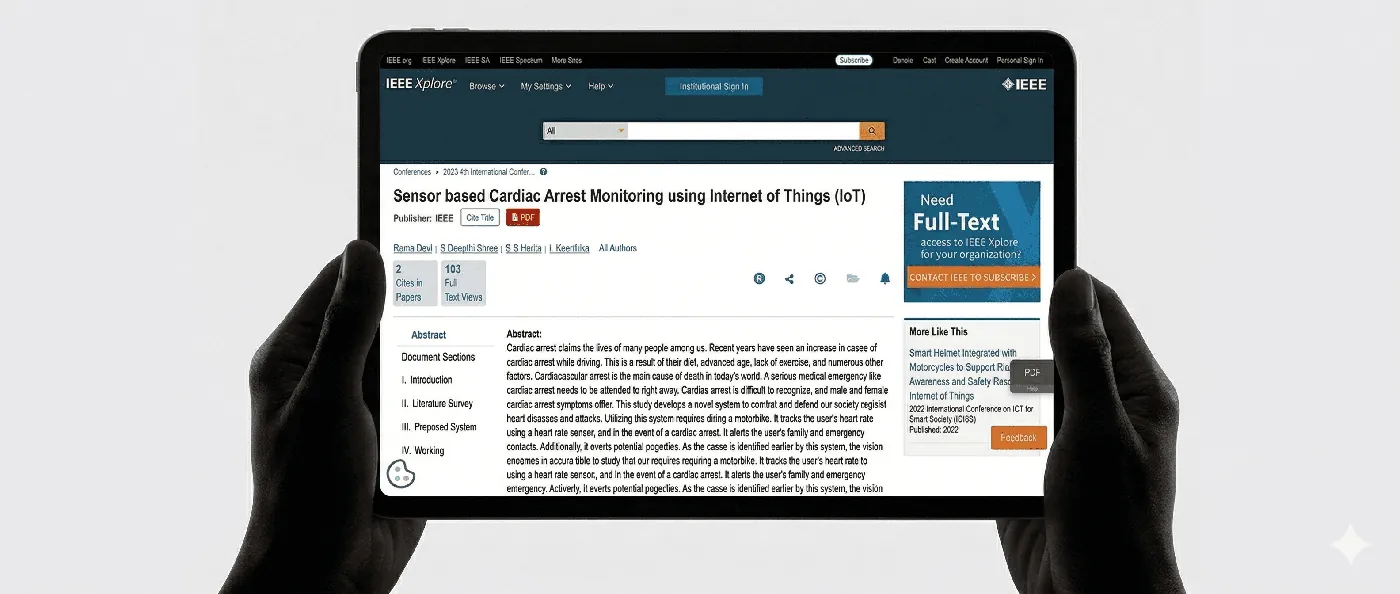
Published in IEEE, validating real-time cardiac detection
Read full IEEE paperIEEE publication validating system architecture and detection model
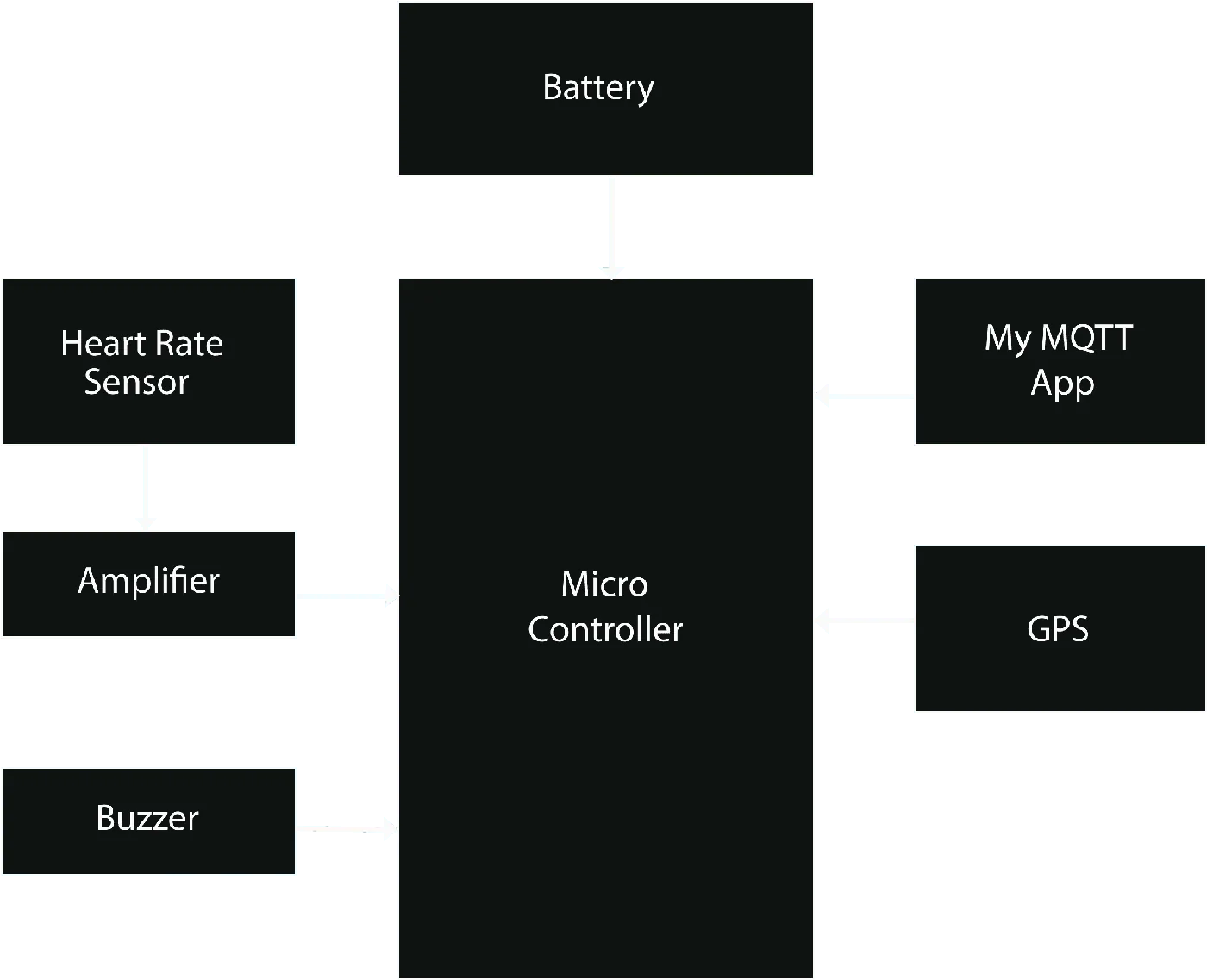
A system-level architecture showing how sensor data flows through detection and emergency response.
Hardware Prototype
A functional prototype used to validate sensor behavior and real-time detection.
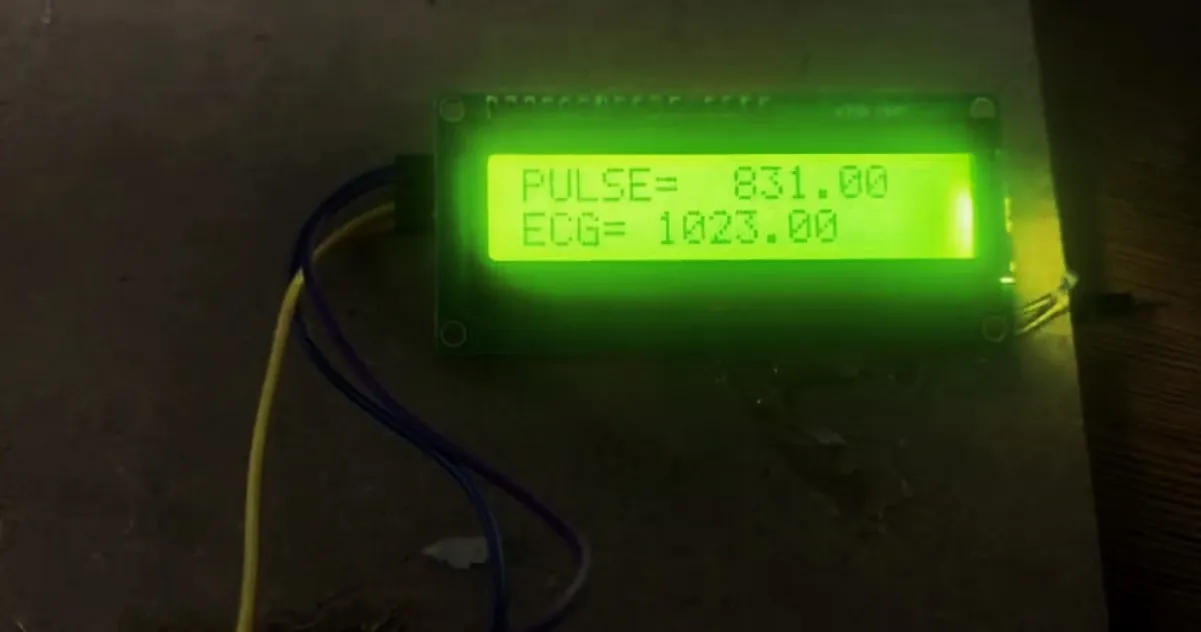
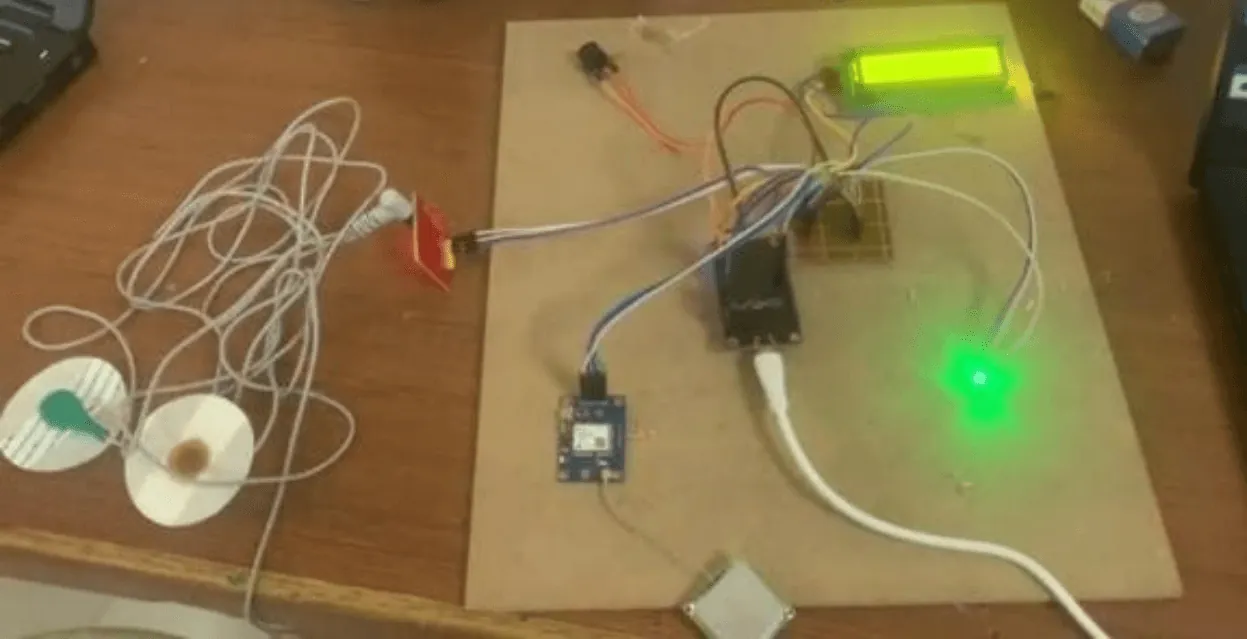
Adapted from my IEEE publication to illustrate system design and implementation
While technically sound, the system’s reliance on a smartwatch limited accessibility and real-world usability.
The Problem
Who is affected
Older adults at high risk of cardiac arrest who need reliable, continuous monitoring while traveling or living in remote areas.
What isn’t working
The monitoring system was built as a rough prototype and relied on a smartwatch for real‑time data collection and alerts.
Why that’s a problem
Elderly users often avoid complex technology; they do not consistently wear or manage smartwatches and are unfamiliar with them, leading to missed data and alerts and making the system unusable in real‑world use.
Design considerations
Design Goal:
Encourage consistent use
by leveraging existing habits.
Design Feature:
Device clips on to user’s watch and builds on watch wearing habit.
Design Goal:
Aesthetically appealing and always ready to operate.
Design Feature:
Non-intrusive design fits into watch strap of user’s preference.
Efficient wireless charging ensures consistent readiness.
Design Goal:
Reliable early detection of cardiac arrest.
Design Feature:
Reliable IOT sensors combined with Fourier transform and machine learning technologies.
Design Goal:
Family and emergency responders.
Design Feature:
Immediate notification when cardiac malfunction detected.
Design Goal:
Easy location of user during emergency.
Design Feature:
Notification through mobile phone.
GPS tracking with mapping.
"Send Help" option, prompting nearby emergency services for a rapid response.
Design Goal:
Bystanders - Clear notification to prompt action.
Design Feature:
Loud built-in buzzer to attract attention.
Voice notification that the wearer is suffering a cardiac arrest.
Voice instruction to please call an ambulance.
Insight
Less screen.
More familiarity.
Elderly users avoid complex technology.
Design must fit into existing habits, not introduce new ones.
Storyboard


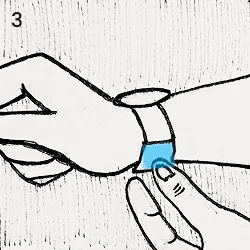

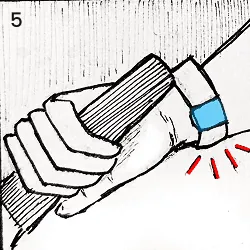
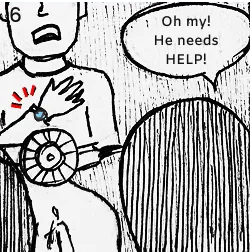

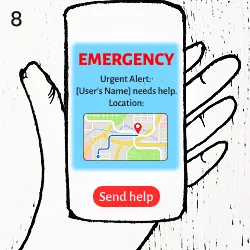

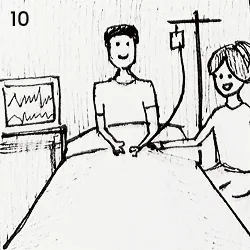
Design direction: Screenless interaction
Product idea
Creating a mesh watch strap with the cardiac arrest monitoring system.
Clip-on mesh
designed to fit
any strap


Clip-on module
seamlessly integrated
into the mesh strap
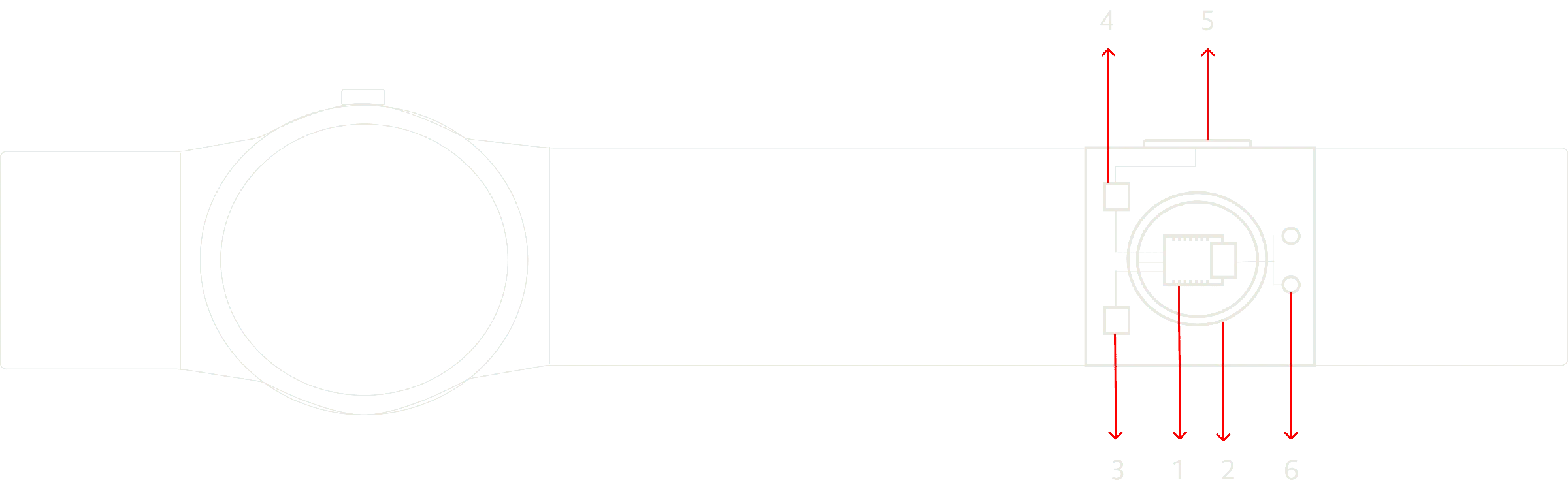

Components:
- Micro Controller
- Heart Rate Sensor
- GPS
- Buzzer
- Button to control the buzzer
- Battery

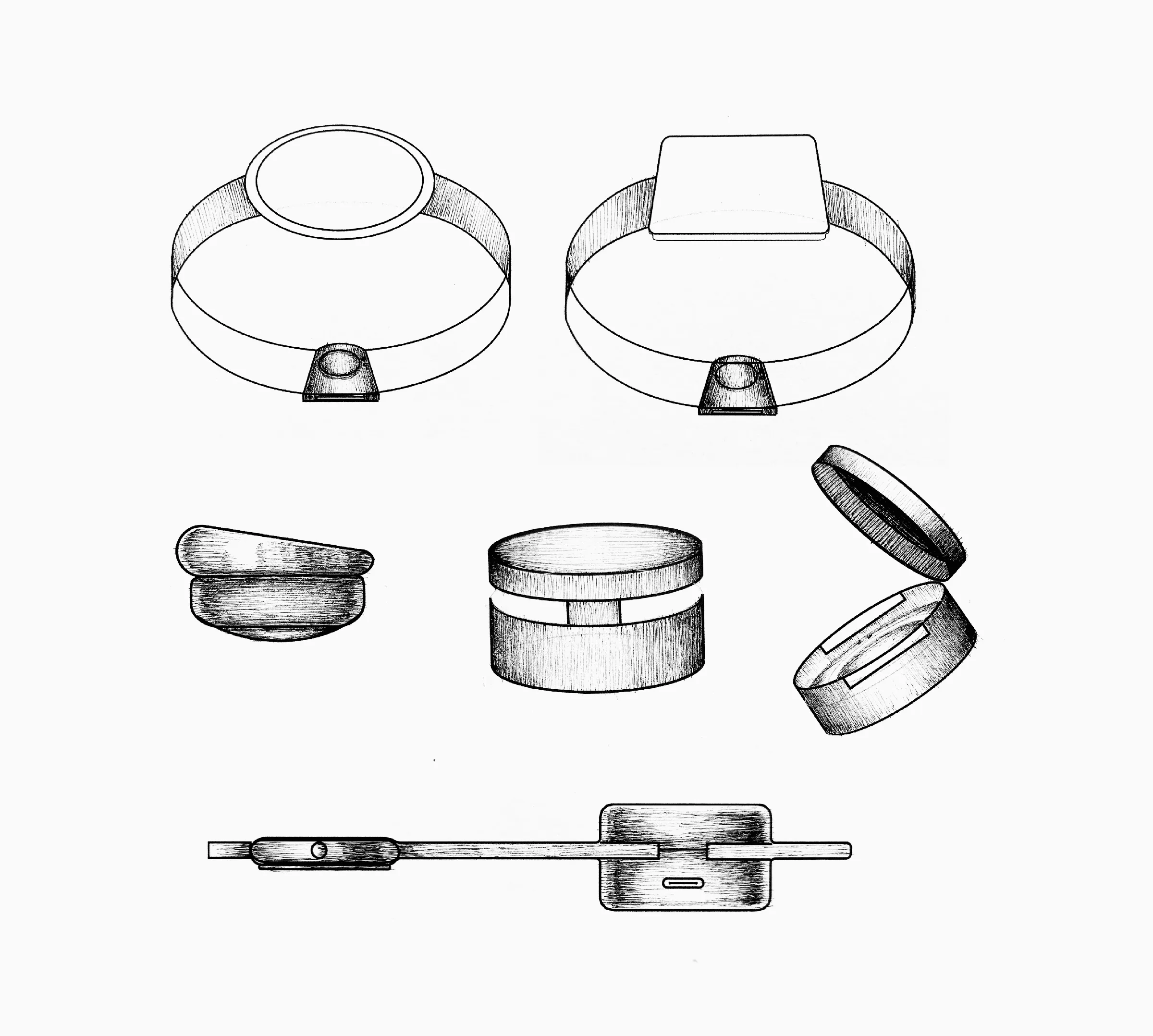
Simplifying Charging:
Early designs integrated charging into the strap, but this added bulk and complexity. I redesigned it as a separate, intuitive charging case that prioritizes simplicity and comfort.
Building on this concept, the final system integrates these ideas into a cohesive, real-world solution.
Proposed Solution
A screenless, wearable system designed to fit into existing habits while enabling reliable real-time cardiac monitoring.
The solution combines a familiar watch form, embedded sensors, and a simple alert system to ensure accessibility, comfort, and timely response.
Core Features
Screenless interaction for ease of use
Continuous monitoring through integrated sensors
Immediate alerts via buzzer and voice guidance
GPS-enabled emergency response system
Impact
By removing complexity and designing around familiarity, the system improves accessibility and ensures critical health monitoring is usable in real-world conditions.